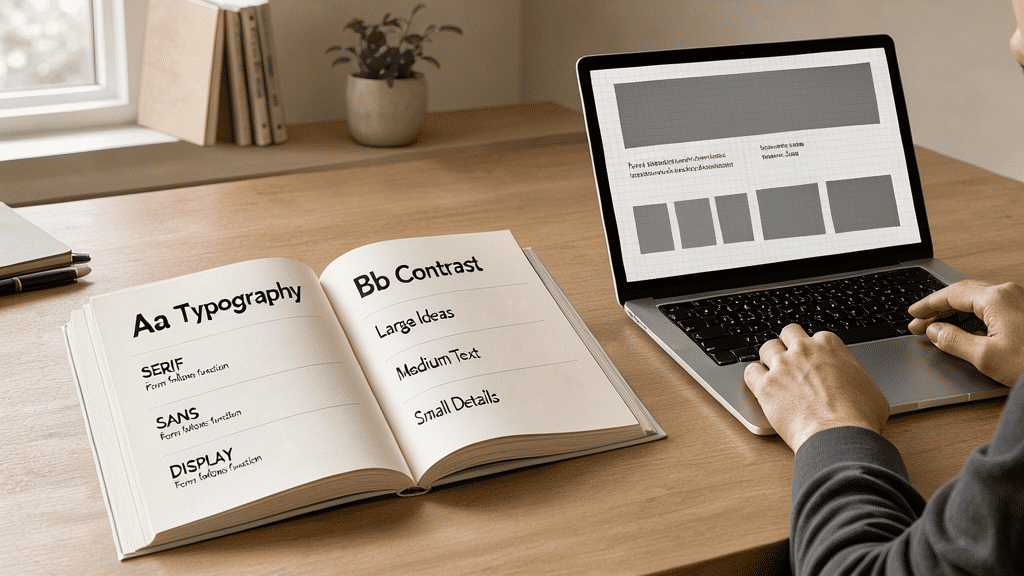
Typography and layout play a crucial role in effectively communicating information and guiding the attention of readers or users. These elements are foundational to the design of printed materials such as books, magazines, and posters, as well as digital content like websites and applications.
At its core, typography involves the selection and arrangement of typefaces. The right typeface can significantly influence the readability and aesthetic appeal of a piece. When choosing a typeface, it's essential to consider factors such as legibility, tone, and compatibility with other design elements. Serif typefaces, for example, are often associated with traditional and formal content, whereas sans-serif typefaces are perceived as modern and minimalist.
In addition to typeface selection, the spacing and sizing of text can greatly impact the user experience. Line spacing, letter spacing, and font size should be adjusted to enhance readability and ensure that the text is accessible to all audiences. Proper alignment also contributes to a balanced and harmonious appearance, making the content more visually appealing.
Layout is the arrangement of visual elements on a page or screen. An effective layout guides the viewer's eye through the content in a logical and aesthetically pleasing manner. This involves employing principles like hierarchy, balance, and contrast. Hierarchy is achieved by varying the size and weight of text elements to convey the importance of information, allowing readers to prioritize what is most critical quickly.
Balance in layout concerns the distribution of visual weight. Symmetrical layouts offer a formal balance and are often used for structured content. Asymmetrical layouts provide a sense of dynamism and movement, which can be more engaging. Contrast, on the other hand, can be employed through color, size, and shape differences, helping to highlight important information and create focal points within the design.
Furthermore, negative space, or the area around and between elements in a design, should not be overlooked. It helps prevent a layout from becoming cluttered, allowing elements to breathe and enhancing overall clarity.
By combining well-chosen typography with thoughtful layout design, you can create content that is not only visually appealing but also effective in delivering its intended message. Whether crafting a book cover, designing a digital interface, or developing a marketing campaign, understanding and applying these principles will lead to more compelling and accessible designs. Effective typography and layout have the power to elevate communication, engage an audience, and ensure that information is conveyed as intended.